
Navigation
Market Demand for 316 Stainless Steel Pipes Continues to Rise, with Corrosion Resistance as a Key Focus
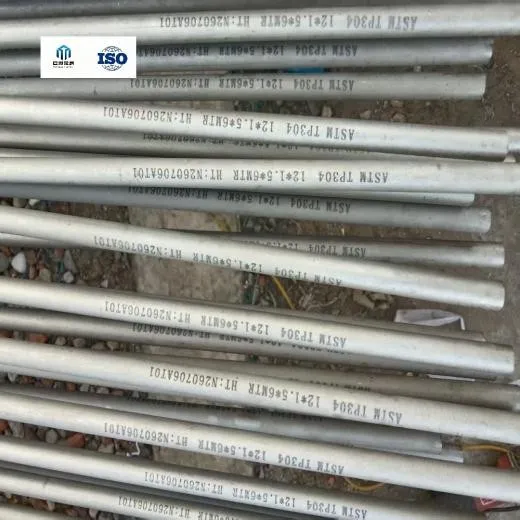
Recently, driven by the steady recovery of the chemical, offshore engineering, and high-end equipment manufacturing sectors, market demand for high-quality 316 and 316L stainless steel pipes has shown sustained growth. Compared to the conventional 304 grade, the 316 series—which incorporates molybdenum (Mo)—offers superior resistance to chloride-ion corrosion and high temperatures, making it the preferred material for demanding environments.
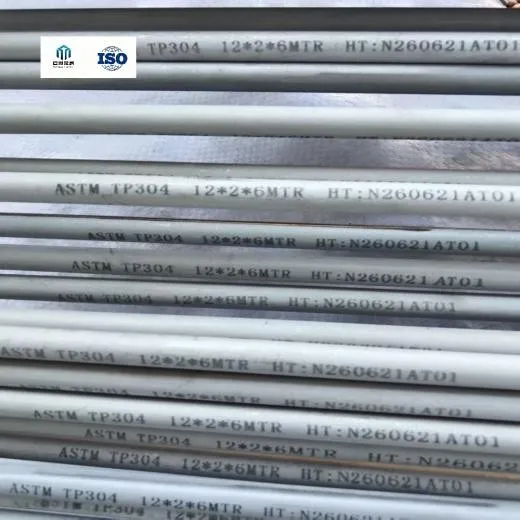
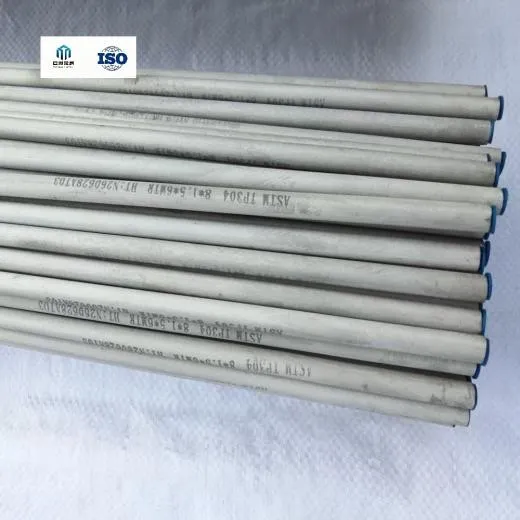
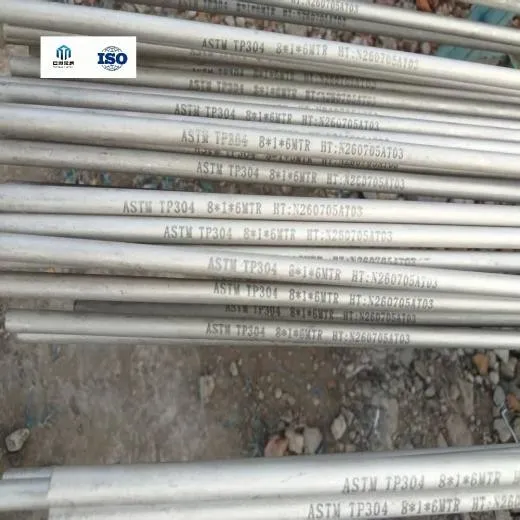
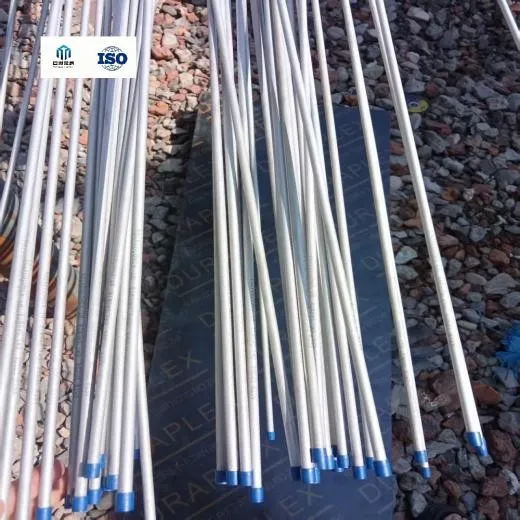
Industry insiders note that when selecting 316-grade pipes, downstream customers are increasingly focused on more than just price fluctuations. They are now setting stricter requirements for quality indicators, including surface treatment (such as bright annealing or pickling), dimensional tolerances, and non-destructive testing (such as eddy current testing or hydrostatic testing). Moving forward, suppliers that maintain robust quality control systems and the capacity for immediate, off-the-shelf delivery will hold a significant competitive advantage in the market.
 |
 |
 |
 |
 |
 |
 |
 |
 |
Recently, driven by the steady recovery of the chemical, offshore engineering, and high-end equipment manufacturing sectors, market demand for high-quality 316 and 316L stainless steel pipes has shown sustained growth. Compared to the conventional 304 grade, the 316 series—which incorporates molybdenum (Mo)—offers superior resistance to chloride-ion corrosion and high temperatures, making it the preferred material for demanding environments.
Industry insiders note that when selecting 316-grade pipes, downstream customers are increasingly focused on more than just price fluctuations. They are now setting stricter requirements for quality indicators, including surface treatment (such as bright annealing or pickling), dimensional tolerances, and non-destructive testing (such as eddy current testing or hydrostatic testing). Moving forward, suppliers that maintain robust quality control systems and the capacity for immediate, off-the-shelf delivery will hold a significant competitive advantage in the market.
|
|
|
|
|
|
|
|
|
Prev: No more data