
Navigation
The recent trend of stainless steel wire
The current stainless steel wire industry is showing structural characteristics of "loose raw materials and demand switching". By 2025, the market size of China's stainless steel wire has reached 18.73 billion yuan, and it is expected to exceed 20.5 billion yuan by 2026. With the expected loose nickel supply and the downward shift in cost support, downstream demand is accelerating from traditional construction and home appliances to high-end scenarios such as new energy vehicles, shipbuilding and marine engineering, photovoltaic energy storage, food and pharmaceutical, and medical equipment. The demand for high value-added products such as 316L, duplex stainless steel, and high-precision microfilaments is growing significantly. Stainless steel wire is widely used, with fasteners still being one of the largest downstream applications, accounting for about 30%. It also plays an important role in fields such as springs, filter screens, electronic connectors, and medical consumables.
Taking the production of fasteners using stainless steel wire as an example, it usually involves key processes such as raw material preparation, wire drawing modification and annealing softening, cold heading/warm heading/hot heading forming, wire rolling or rolling, heat treatment, surface treatment, and inspection and packaging. Small and medium-sized austenitic stainless steel fasteners are often formed by cold heading, while martensitic and duplex stainless steel often require warm heading or hot heading combined with quenching and tempering to obtain high strength. The threads are extruded through a rolling plate or rolling wheel to ensure fiber continuity and fatigue performance. The surface is then passivated, polished, or treated with environmentally friendly coatings to enhance salt spray and corrosion resistance. Finally, they are sorted and shipped after size, hardness, tensile strength, and salt spray testing. In recent years, the industry has continuously upgraded in material selection, lubricating film, intelligent testing, environmentally friendly polishing, and full process traceability. The localization process of high-end fasteners has accelerated, and products are evolving from universal standard parts to scenario based solutions with high strength, corrosion resistance, lightweight, traceability, and low-carbon compliance.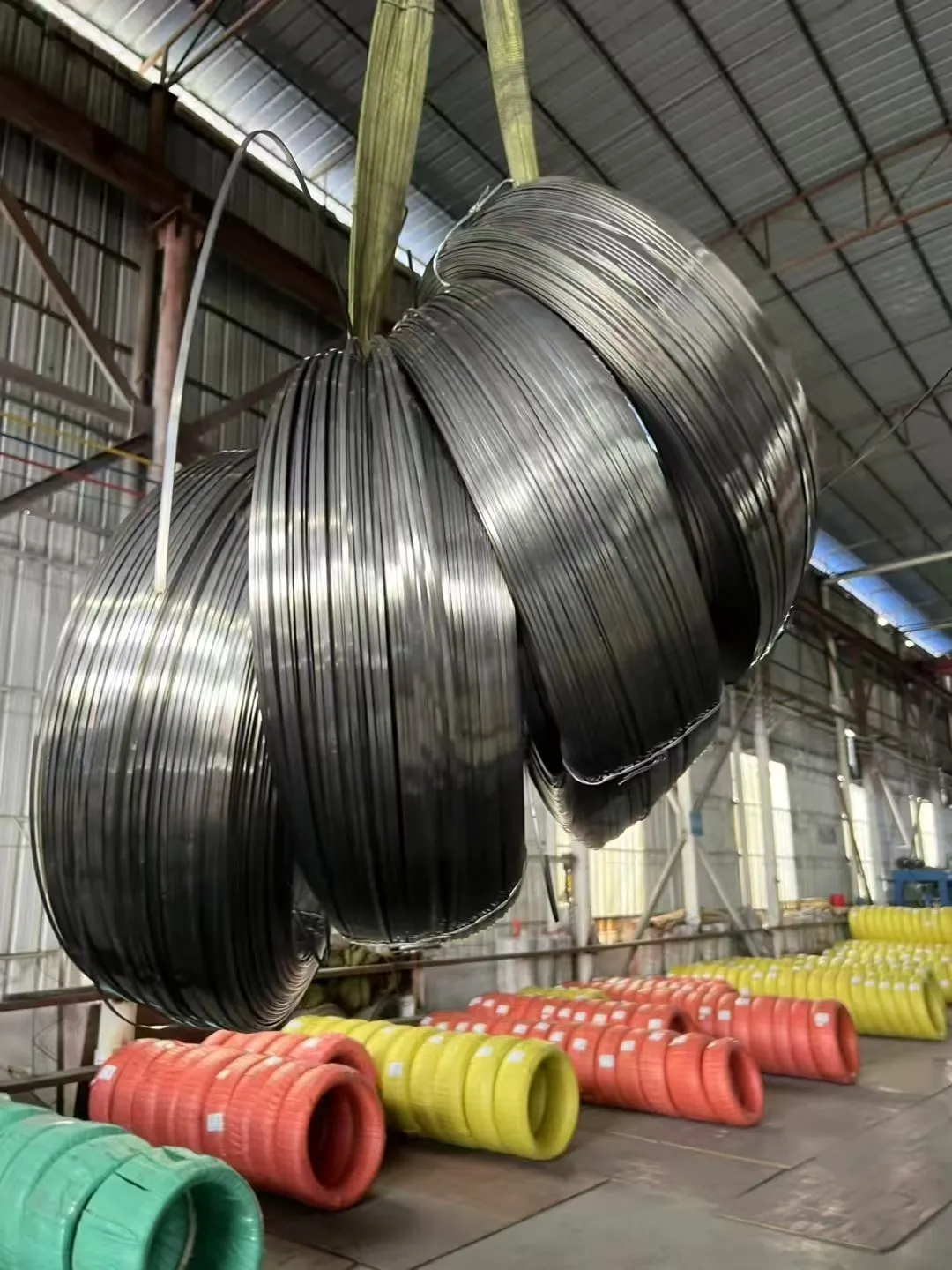
The current stainless steel wire industry is showing structural characteristics of "loose raw materials and demand switching". By 2025, the market size of China's stainless steel wire has reached 18.73 billion yuan, and it is expected to exceed 20.5 billion yuan by 2026. With the expected loose nickel supply and the downward shift in cost support, downstream demand is accelerating from traditional construction and home appliances to high-end scenarios such as new energy vehicles, shipbuilding and marine engineering, photovoltaic energy storage, food and pharmaceutical, and medical equipment. The demand for high value-added products such as 316L, duplex stainless steel, and high-precision microfilaments is growing significantly. Stainless steel wire is widely used, with fasteners still being one of the largest downstream applications, accounting for about 30%. It also plays an important role in fields such as springs, filter screens, electronic connectors, and medical consumables.
Taking the production of fasteners using stainless steel wire as an example, it usually involves key processes such as raw material preparation, wire drawing modification and annealing softening, cold heading/warm heading/hot heading forming, wire rolling or rolling, heat treatment, surface treatment, and inspection and packaging. Small and medium-sized austenitic stainless steel fasteners are often formed by cold heading, while martensitic and duplex stainless steel often require warm heading or hot heading combined with quenching and tempering to obtain high strength. The threads are extruded through a rolling plate or rolling wheel to ensure fiber continuity and fatigue performance. The surface is then passivated, polished, or treated with environmentally friendly coatings to enhance salt spray and corrosion resistance. Finally, they are sorted and shipped after size, hardness, tensile strength, and salt spray testing. In recent years, the industry has continuously upgraded in material selection, lubricating film, intelligent testing, environmentally friendly polishing, and full process traceability. The localization process of high-end fasteners has accelerated, and products are evolving from universal standard parts to scenario based solutions with high strength, corrosion resistance, lightweight, traceability, and low-carbon compliance.
Prev: No more data